
Springtime challenges for our skin

 Springtime challenges for our skin
Springtime poses complex challenges for our skin this is due to the extreme fluctuations in weather conditions. These seasonal transitions and the viruses that accompany them, as well as the blossoming of trees and plants which distribute their pollen, cause many people to suffer from hyper-sensitivity, dryness, itchiness, seborrhea, and redness of the skin. In addition, the fickle weather and the strong winds during this season dehydrate the skin and have a negative influence on its appearance and normal function.
How to cope with these challenges?
• Enrich the skin with quality moisture
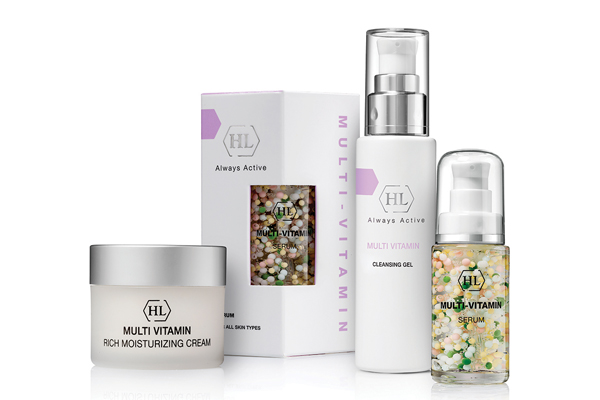
It is important to restore the moisture lost by the skin during the winter, and to assist it in coping with the winds and dryness of the transition season. The higher the level of moisture in the skin, the healthier and more elastic it will be, and the less it will suffer from irritation and sensitivity. Use a moisturizer such as VITALISE or MULTI VITAMIN, that contain a high percentage of moisture-absorbing factors such as: hyaluronic acid, amino acids, alpha-hydroxy acids, urea, and glycerin, as well as components which prevent the evaporation of water from the skin, like ceramides and rich botanical oils. It’s important to make sure to apply the moisturizer twice a day, in the morning and evening.
• Use a mild cleanser and don’t over-cleanse
One that won’t irritate the already sensitive skin and won’t increase the feeling of dryness. It’s recommended to select a cleanser with a pH level that is close to the acidity level of the skin (5.5). Even if your skin is oily, it’s advisable not to wash it more than the necessary, twice a day.
• Use sunblock
UV radiation, even on cloudy days, damages the skin and its ability to preserve moisture, and increases its sensitivity. A broad spectrum sun protector like SUNBRELLA will provide both UVA and UVB protection and prevent photo damage.
• Make sure to maintain a diet rich in nutritional components that will assist in protecting the skin and decrease its sensitivity
It’s recommended to enrich the diet with antioxidants like vitamins E, A and C, that are found in fruit and vegetables. Moreover, it’s important to make sure to consume foods that are rich in vitamins B, including whole grains, whole rice, legumes, nuts, meat, eggs, and dairy products, which are also essential for the protection of the skin, assist in the division and growth of the skin cells, support the construction of the collagen and elastin, and in the prevention of skin inflammation and irritations. The consumption of deep-sea fish, like salmon, mackerel, cod, and sardines, will provide an available source of omega-3 acids, which preserve the elasticity of the cells and are essential for the prevention of skin irritation and inflammation.
כתבות נוספות
7 Reasons to get a monthly facial
Great Reasons That Will Make You Frequent Your Cosmetologist
Skin Rejuvenation
Along with the biological aging process of the skin, sun exposure and various environmental damages, such as climate, air pollution, smoking etc., also affect the skin and accelerate its aging. Over time, skin damages accumulate and manifest themselves in skin appearance and texture.
What Are Exosomes?
Discover how exosome technology “talks” to your skin cells, triggering self-repair, firming, and deep renewal from the inside out.
The full guide >>