Is your skin sensitive or allergenic? That’s how you’ll know it

What’s the difference between allergenic and sensitive skin?
Allergenic skin
An allergy is the excessive response of the immune system to a specific stimulant that an individual is exposed to. In any case of a skin allergy, the particles of the allergenic material (allergy generator) that penetrate the skin generate an immune response that causes skin inflammation.
How common is it: Up to 10% of the population develop an allergic response at some level to a specific agent in beauty-treatment products during their lifetimes.
How is the allergy manifested: The main symptoms are redness, rash and itchiness, and often blistering or secretion in the applied area. In the first exposures to the substance, the process is mostly concealed and symptoms appear only after repeated exposure. In most cases, allergy appears about two to three weeks after initial contact with the substance. After the second contact with the substance, symptoms will appear in two to four days.
What causes skin allergy: Of the various substances being used in beauty-care products, perfumes are the main allergy generators. The other factors are preservatives that are found in most beauty-care products. These substances have a key role in preventing products’ contamination of bacteria and fungi, but those who are prone may develop an allergy.
Sensitive skin
Skin sensitivity is manifested by unpleasant sensory reactions following exposure to substances that are not intended to provoke such responses. Sensitivity can be congenital and often develops gradually during one’s lifetime or appear suddenly.
How is sensitivity manifested: Sensitive skin is characterized by a tendency for redness, sores, rash and other symptoms, such as burning or stinging, itchiness, sense of stimulation, peeling and sometimes pimples. That, in response to internal and external stimulations, such as hormonal changes, skin diseases, extreme weather conditions, infections or exposure to different substances, such as specific ingredients in beauty-care products.
How common is it: It is very common, much more than allergies – 60%-70% of women and 50%-60% of men report on some level of skin sensitivity.
What causes sensitivity: There are many factors for sensitive skin, in cluding genetic and environmental.
In some individuals who suffer from the problem, the nerve cells that are found under the skin are more sensitive. Another common reason is an impaired skin barrier as a result of exposure to various environmental factors, such as solar radiation, pollution or chemicals, various medication and detergents.
Is sensitive skin a permanent condition?
Not necessarily. Many of those with sensitive skin report elevated levels of sensitivity at certain times. For example, during tension and stress, seasonal changes or days of extreme weather.
Treating sensitive skin
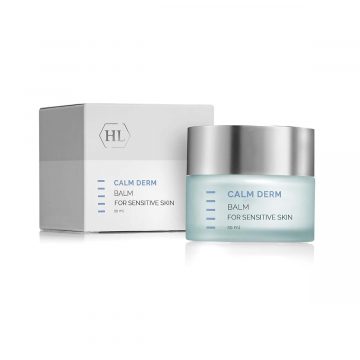
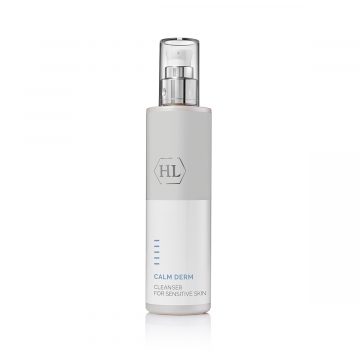
When it comes to sensitive skin, dedicated products should be selected, which are developed and especially suited to meet the skin’s needs for soothing and recovery. If you suffer from sensitive skin, switch to the Calm Derm products range – an effective treatment range of products that acts to soothe the skin, relieve itchiness, reduce inflammation, rehabilitate the skin and increase moisture. The range is intended for sensitive, couperose and reddish skin, and also for treating inflammatory-skin diseases such rosacea, seborrheic dermatitis, skin asthma and psoriasis. The products range is based on agents designed to maintain the skin’s barrier and its recoveries, such as ceramides, Omega 6, aloe vera, bisabolol, allantoin and panthenol, soothing agents such as witch-hazel, broccoli and chamomile extract, anti-bacterial and anti-fungal agents, beta-glucan, extracts and algae. Moreover, the range contains ingredients that induce healing and recovery processes in the skin, such as enzymes and copper-peptide complex.
What are the hypoallergenic tests in professional beauty care and how are they conducted?
According to the Ministry of Health’s regulations, to permit manufacturers to produce the label “For Sensitive Skin” on a beauty-care product, it must undergo a clinical trial to confirm that claim, aimed at checking the development of skin irritation after the product is used. Such a test is considered even stricter than a hypoallergenic test as its testing conditions are harsher.
The Calm Derm range successfully passed the clinical trial for affirming the claim for products intended for sensitive skin. These clinical trials are conducted by dermatologists at the research institutes. In the trial, a small amount of the product is applied on the top part of the participants’ arms, or alternative on their backs and shoulder blades, on which a surgical sticker is applied and sealed for 48 hours. After that, an assessment of the response is made. The reading of the results is rated from 0 to 4 – from lack of response, redness, redness with stiffness, all the way to blistering and bubbles. Only a product that successfully passed this test will be awarded the license of a dedicated beauty therapist, as opposed to a general beauty-therapist license.
כתבות נוספות
Bedtime routine
The skin care routine that precedes the night’s sleep has immense significance in maintaining the healthy, beautiful appearance of the skin.
During the night, our skin works hard to repair the damages caused by free radicals and sleep enables it to do so through cell renewal.
What causes wrinkles?
There is a saying according to which our wrinkles reflect our life story. The problem is that in many cases, this story is inaccurate.
Vitamin C Protection for the skin
The beauty industry has been using vitamin C for skin care for many years. This is not surprising, given the vitamin’s key roles in the skin. Over the last decades, vast information has been gathered about the roles it plays in preventing and delaying skin aging and restoring it, within two key mechanisms: aging – the natural aging process of skin; and photoaging – damages resulting from sun exposure. These same roles make Vitamin C a key ingredient for skin care.