
Atopic Dermatitis
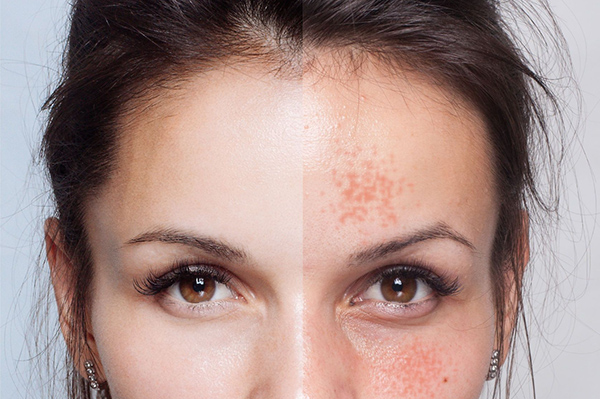
 Atopic Skin Inflammation (Atopic Dermatitis)
Atopic dermatitis, commonly known as “skin asthma”, is an itchy inflammatory skin disease. In 65% of the cases, it already appears in infancy, and affects the facial area, the wrists and finger knuckles, and the in the creases of the elbows and knees. Overall, 10%–20% of all babies and children suffer from the disease, and in 90% of the cases it appears before the age of five. At times, it becomes chronic and continues during adulthood, and sometimes the level of its severity decreases and improvement can be discerned over the years. In recent years, it appears that there is an increase in the disease’s incidence, which is attributed by some to environmental changes (such as air pollution and an increase in the incidence of allergens) and to changes in the Western lifestyle (improper nutrition and mental stress).
The Disease’s Symptoms
Atopic dermatitis is characterized by three chief salient symptoms:
- Skin rash— a reddish skin rash accompanied by significant dryness in the skin. The dispersion of the rash varies according to age. In infancy (starting from the age of two months), it mainly appears on the areas of scalp, face and the limb extensors (elbows and knees). Later on, at the ages of two years and up, the rash tends to appear in the skinfolds—the sides of the neck and the creases of the elbows and knees.
- Itching— the disease is accompanied by intense itching which compromises the patient’s quality of life.
- Skin inflammation— skin infections, especially those involving the staphylococcus bacteria or fungi, constitute a powerful trigger and may transform it into chronic inflammation.
What Causes the Disease?
The exact cause is unknown, but it has been found that the following factors fulfill a central role:
- A disorder affecting the wholeness of the skin and the function of the skin barrier—which enables the penetration of allergens, microorganisms or other irritating substances.
- A defective function of the immune system and a disorder in the body’s control over it—the examination of mast cells from the skin of people who suffer from atopic dermatitis found that these cells tend to release more histamine and other allergenic substances, which cause itching and eczema. Moreover, on the one hand, an excess of inflammation-encouraging prostaglandins has been found in their skin, while on the other, a lack of inflammation-inhibiting prostaglandins has also been found.
- Genetics— it has been found that children of parents with asthma or a history of allergies have a larger predisposition to develop the disease. In fact, in 70%–80% of the cases there is a background of a family history of asthma and allergies.
- External factors may adversely affect the balance of the immune system and contribute to the outbreak of the disease or may worsen the inflammation—including physical irritation, such as skin dryness or injury; skin infections, such as, bacteria, viruses and fungi; allergy—contact with a foreign external factor that triggers an allergic reaction (allergen), such as certain foods, irritating products or dust mites; and also mental stress.
Diagnosis
The diagnosis is mainly performed based on the skin’s appearance and also based on the family history of allergies. Rarely, a biopsy, in which samples of the lesion are taken, is performed as well, and this, in order to ensure that it is not a different skin disease.
כתבות נוספות
Why does oxidation harm our skin?
The terms “free radicals” and “antioxidants” have become very common and part of our daily routine for professionals in the professional aesthetics field.
What exactly do these terms mean? Why are oxidation and free radicals harmful to our skin and how can using advanced cosmetic products containing antioxidants neutralize this damage and protect the skin against accelerated aging?
Skin Rejuvenation
Along with the biological aging process of the skin, various environmental factors - e.g. sun exposure, climate, air pollution, smoking, and an unhealthy diet - also affect the skin and accelerate its aging. These damages may be manifested in pigmentation, spots, wrinkles and fine lines, uneven skin tone, and a rough and lifeless appearance.