
Skin Aging
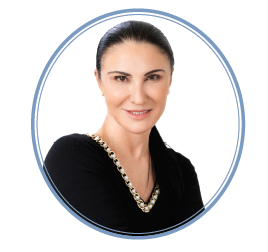
Dr. Marina Landau
Dermatology Specialist
At an age in which life expectancy is constantly increasing, the topic of aging becomes doubly important. Two groups of causes are involved in the skin’s aging process: genetic causes and environmental causes. As of today, we are not capable of influencing the genetic causes, whereas the environmental causes are under our almost full control. The major environmental causes include exposure to the rays of the sun, smoking and air pollution. When these causes are eliminated, the skin’s aging is more gradual.
What happens in the skin during the aging processes?
As the skin ages, it becomes thinner. The thinning of the skin occurs in both the epidermis (excluding the stratum corneum), dermis and subcutaneous tissue.
In the epidermis, the number of layers decreases and the cells become less organized. The epidermal barrier’s function level gradually diminishes and the skin becomes dryer and more resistant to moisturizing attempts. Moreover, the secretions of sebum and sweat decrease.
In the dermis, the amount of connective tissue decreases, predominantly that of the collagen fibers responsible for the skin’s pliability. The walls of the veins become thinner, while the pigment melanin becomes less organized.
The deeper layers of the skin are also affected by the aging processes. A gradual decrease in the amount of the supportive fat tissue affects the layer of subcutaneous tissue.
The clinical manifestations of aging are manifold. The most salient and well-known among them is the loss of skin pliability and the appearance of wrinkles. These manifestations are directly related to the decrease in the amount of collagen fibers in the dermis.
Sun spots are only related to the aging of the skin as a result of the exposure to its radiation, and do not appear on the skin due to physiological aging alone.
The skin becomes thinner, duller and prone to hematomas. Benign tumors, such as seborrheic keratoses and skin tags, appear on the skin. In skin that has been exposed to the sun, precancerous lesions, and even skin cancer, may appear.
Can the skin’s aging be prevented?
The skin’s aging cannot be prevented, but it can be slowed down. It is recommended to avoid sun exposure already during childhood. It is advisable to avoid smoking or to cease smoking immediately.
The use of effective sunscreens on the entire surface of exposed skin is considered as a correct and desirable practice. The use of products that contain antioxidants is recommended to prevent the damages of smoking, sun exposure and air pollution. Products that encourage the production of collagen, especially those that contain vitamin A derivatives (Retin A, Retinol) have been proven to be effective. Moisturizing the skin using appropriate moisturizers facilitates the preservation of the epidermal barrier, and makes the skin look and feel more pleasant.
Interventional treatments, including peels and the injection of fillers, as well as various technologies, such as lasers, radio waves, etc.—somewhat contribute to the rejuvenation of the skin.
כתבות נוספות
The Y-Zone
The Y-Zone area, refers to the lower part of the face including the chin, jaw, and neckline, is among first to betray our age.
Even when the facial skin is groomed, the loose and sagging skin in this area contributes to an older appearance and adds on years to our aesthetics because of lack of defined facial contours. In spite of that, many women actually tend to neglect this delicate area in their daily skincare regimen.
Inflammatory Skin Diseases—Characteristics, Causes and Treatment Methods
Inflammatory Skin Diseases—Characteristics, Causes and Treatment Methods
Many people struggle with inflammatory skin diseases such as seborrhoea, psoriasis, atopic dermatitis and rosacea. These diseases cause aesthetic disorders and often result in suffering and a sense of discomfort in the skin.
Tips for the Proper Sunscreen Use
Tips for the Proper Sunscreen Use