
Tips for the Proper Sunscreen Use

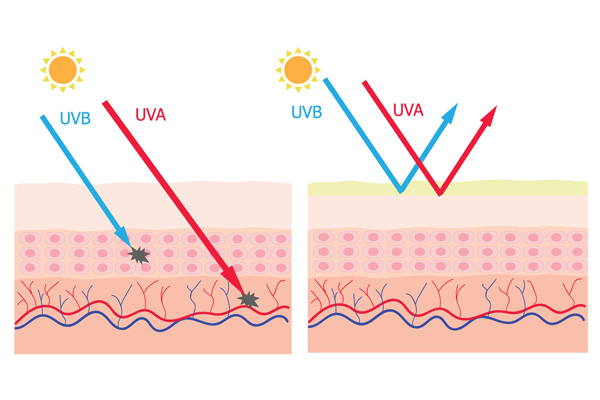
Tips for the Proper Sunscreen Use
- Asufficient amount— it is recommended to apply a generous amount, about one teaspoon of sunscreen for the entire area of the face, ears and neck.
- Not only in the summer — in the summer, the awareness to the application of sunscreens is relatively high. However, most people tend to skip the use of these products during the rest of the year, and especially on cloudy days. Yet, we are also exposed to UVA radiation in the winter.
- A quality product — it is important to ensure that the chosen product provides protection both from the UVA radiation and the UVB radiation, and in addition, that the product has a sun protection factor (SPF) of at least 15. In cases of prolonged exposure to the sun, a product which has a sun protection factor (SPF) of at least 30 must be used.
- Early use — it is necessary to first apply the sunscreen thirty minutes prior to the sun exposure. Moreover, it is recommended to apply it twice, consecutively, in order to create a generous and uniform layer of sunscreen to cover all of the body parts exposed to the sun.
- All day protection — during prolonged exposure to the sun, it is recommended to renew the sunscreen application every two hours. In the event of perspiration, going into the water and/or wiping the skin with a towel, it is recommended to renew the application.
- Safe driving — although the carwindows block most of the UVB radiation, they are unable to block the UVA radiation. Therefore, it is also recommended to use sunscreens while driving.
- A moisturizer with sunscreen is not enough! — it is important to apply sunscreen and not only settle for a moisturizer that contains sunscreens.
- And what about the ears and back of the neck? — it is important to make sure to apply sunscreen onto all of the areas exposed to the sun. Many users tend to neglect certain areas of the body, such as the ears and the back of the neck.
כתבות נוספות
Causes of hyperpigmentation
The accumulated exposure to the sun’s radiation is the main cause for spots and hyperpigmentation, but how exactly are the spots formed and how are they treated?
Vitamin C Protection for the skin
The beauty industry has been using vitamin C for skin care for many years. This is not surprising, given the vitamin’s key roles in the skin. Over the last decades, vast information has been gathered about the roles it plays in preventing and delaying skin aging and restoring it, within two key mechanisms: aging – the natural aging process of skin; and photoaging – damages resulting from sun exposure. These same roles make Vitamin C a key ingredient for skin care.
Skin rehab and renewal after exposure to summer-related damage
Sunlight plays a critical role in our health, including in synchronizing our biological clock and in the skin's ability to produce vitamin D. However, prolonged and cumulative exposure to sunlight UV radiation leads to long-term damage that plays a pivotal role in skin aging, including sunspots and pigmentation, wrinkles and laugh lines. After increased exposure to the sun, the fall months are ideal to care for the skin, rejuvenate and restore, and treat these effects through active ingredients that contribute to skin renewal and restoration. Thanks to growing research, recent effective treatments for the renewal and restoration of the facial skin have been developed.