Azelaic acid

Azelaic acid
One of the most innovative substances currently used in cosmetic treatment is azelaic acid.
Azelaic acid is a natural compound that is found in wheat seeds, barley or rye, as it works in plants to protect them against pests. Due to its unique properties, many studies in recent years examined its use for skin treatment and demonstrated its high effectiveness in a range of activities – making it a key ingredient in therapeutic cosmetic preparations, skin lightening, skin balancing and rejuvenation.
What will it do to your facial skin?
- Lightens pigmentation discoloration – one of the acid’s key features is to lighten skin discolorations. Studies of recent years have pointed to its high efficacy in inhibiting pigmentation discolorations and their development. It does so by inhibiting the tyrosinase enzyme, which is responsible for the skin’s melanin pigment. This enzyme produces melanin from the amino acid tyrosinase. During sun exposure, tyrosinase accelerates the production of melanin in order to protect the skin, and the result is that the skin “tans” and becomes darker. The problem arises when melanin-particles’ distribution is not always uniform and they often accumulate in a specific area, thereby creating skin discolorations or hyper-pigmentation areas.
- Reduces the inflammation’s intensity – reducing the inflammation’s intensity is a major stage in preventing scars, promoting the skin’s rejuvenation and recovery, which also lasts after healing the active acne problem. Azelaic acid has a potent anti-inflammatory property, and also anti-bacterial properties, which makes it a highly effective tool for treating skin conditions such as acne and for preventing scars’-development and post-acne discoloration.
- Balances the skin – another key mechanism of azelaic acid’s activity is the reduction in the cells’-distribution rate in the skin, including the sebaceous gland’s cells that secret sebum on the skin. In addition, it was found to help reduce the elevated distribution rate of keratin cells in problematic skin conditions such as psoriasis and reduce the excess fat that is secreted from the sebaceous glands, which causes the hair follicles to clog and create fertile ground for the acne bacteria.
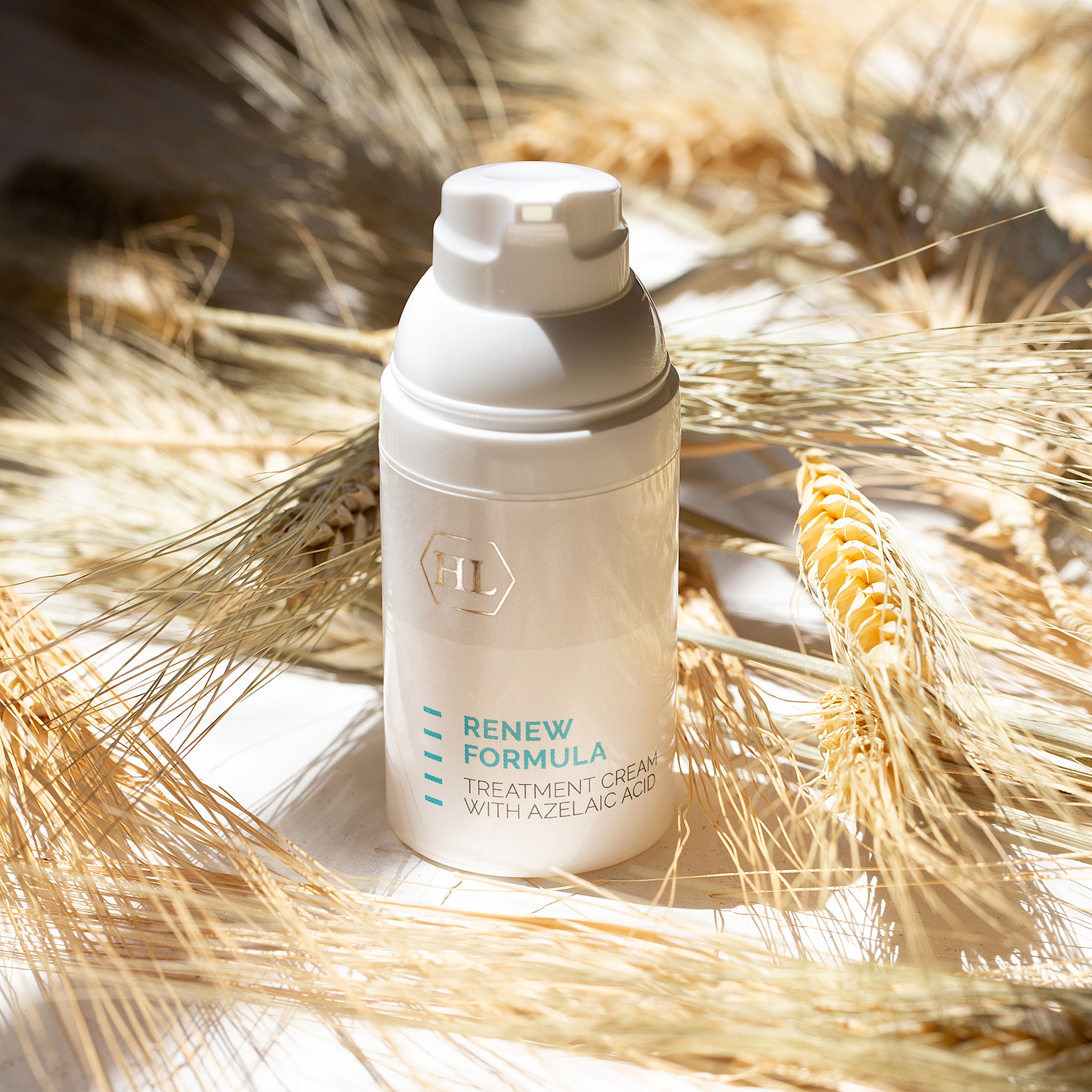
Thanks to this combination, azelaic acid is currently considered an important therapeutic ingredient in advanced preparations that are used to treat acne conditions, rosacea, psoriasis, and seborrhea.
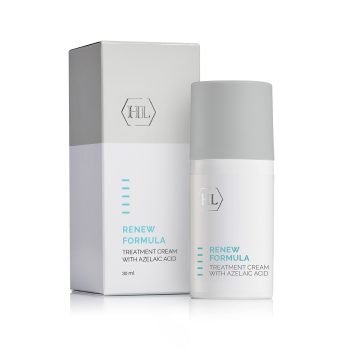
It is used as a key ingredient in the treatment cream containing azelaic acid – a new preparation in our line of Renew Formula. This highly potent and multipurpose cream achieves impressive results in the treatments of skin rejuvenation and renewal, as well as skin lightening and the level of –sebum balancing. In addition, the unique formula also integrates retinol and salicylic acid – two ingredients that also work to prevent and recover scarring, including vitamin E and alpha bisabolol. The synergy between the ingredients in the cream works to achieve genuine results in the skin’s rejuvenation process and helps prevent and minimize post-acne signs, promotes skin lightening and recovery, improves its tone and texture. Due to its diverse purpose and its broad active capacity, the preparation is intended for a wide target audience, mainly mixed skin that is characterized by early signs of aging and post-acne.
כתבות נוספות
Skin Lightening Treatments
Summer is almost over, and now is the time to treat the Sun’s damages (Facial and décolleté), and lighten the pigmentation spots. Which treatments are the most effective for lightening and regeneration of the skin?
What Exactly Is Color Correcting Cream?
CC creams are one of the significant trends that have taken the world of cosmetics by storm in recent years. This is not surprising, as CC cream is a winning combination of several essential functions in one application and combines moisturizer, foundation, anti-aging compounds and maximum UV protection.
Protecting the skin during ski holidays
3 TIPS FOR PROTECTING THE SKIN DURING SKI HOLIDAYS.
When getting ready for the next ski vacation it is important to pack not only the ski equipment and warm clothes but also the skin care products that will help us maintain a healthy and beautiful complexion when on the slopes. The high altitude, low temperature, wind and sun all take a toll on the skin and it is important to keep in mind the 3 things essential for a beautiful complexion.