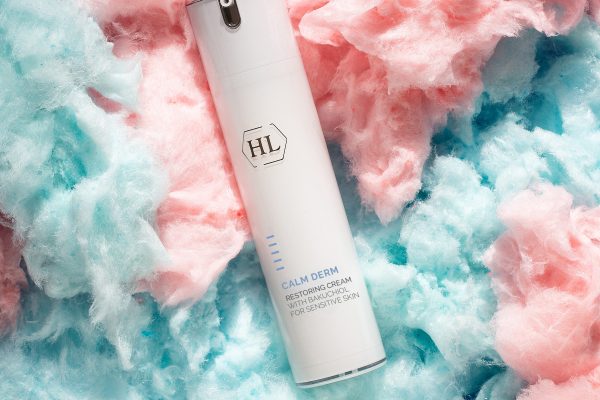
Until recently, beauty and medical treatments for sensitive skin and skin afflicted by diseases such as seborrheic dermatitis, skin asthma, rosacea or psoriasis, only focused on soothing, recovering and relieving symptoms. But sensitive skin also requires rejuvenation and anti-aging treatments that will help it reduce fine lines and wrinkles, reduce pigmentation and maintain a healthy and youthful appearance.
Bakuchiol: The new active retinol substitute for sensitive skin that you must be familiar with
Is your skin sensitive or allergenic? That’s how you’ll know it
Many people who suffer from skin sensitivity mistakenly think that they’re allergic. Yet there are considerable differences between the two issues. What’s the difference between an allergenic and sensitive skin, what characterizes sensitive skin, how is it being diagnosed and is skin sensitivity a permanent or changing condition, and how can sensitive skin be treated? You’ll get all the answers in the following article.
Rosacea
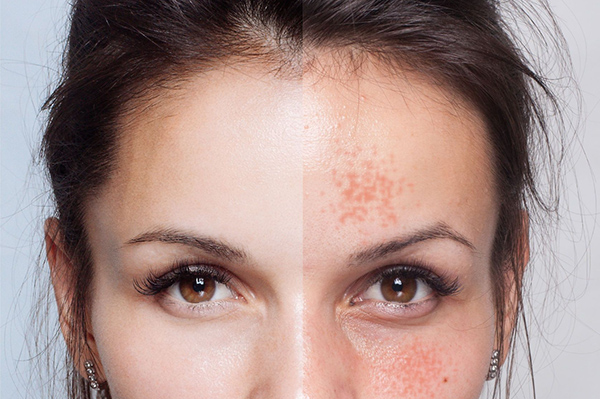
Rosacea, sometimes also called adult acne (as it usually appears after the age of 30), is a chronic skin disease. It is manifested by an increased and permanent facial redness accompanied by a stinging sensation and widened capillaries. At time, it is also accompanied by small, red, acne-like pimples. At the early stages of the disease, the flushing is intermittent, but later on becomes permanent.
Seborrhoea
Seborrhoea— Seborrhoeic Dermatitis
Seborrhoea is a common skin disease, which is manifested by chronic inflammation in the skin.
Atopic Dermatitis
Atopic Skin Inflammation (Atopic Dermatitis)
Atopic dermatitis, commonly known as “skin asthma”, is an itchy inflammatory skin disease. In 65% of the cases, it already appears in infancy, and affects the facial area, the wrists and finger knuckles, and the in the creases of the elbows and knees. Overall, 10%–20% of all babies and children suffer from the disease, and in 90% of the cases it appears before the age of five.
Tips for treating sensitive and stimulated skin
The term "sensitive skin" describes a variety of skin problems, from skin diseases such as Seborrhea, Psoriasis, Rosacea and Atopic Dermatitis up to sensitivity to specific ingredients. The symptoms vary as well, and include redness, itching, discomfort, burning, dandruff and lesions, that can dramatically affect people’s quality of life. Here are a few tips that can help you relieve sensitive skin:
Psoriasis
Psoriasis is a chronic autoimmunedisease, which is manifested by dry skin patches that are raised above the skin, predominantly have a red-purple hue and are covered in thick slivery-white scales.
Inflammatory Skin Diseases—Characteristics, Causes and Treatment Methods
Many people struggle with inflammatory skin diseases such as seborrhoea, psoriasis, atopic dermatitis and rosacea. These diseases cause aesthetic disorders and often result in suffering and a sense of discomfort in the skin.
A Holistic Approach to Treating Common Skin Diseases
Dr. Marina Landau
Dermatology Specialist
Sensitive Skin? Here Is Everything You Need to Know
The term “sensitive skin” refers to unpleasant sensory responses instigated upon the skin’s exposure to substances that are not supposed to trigger such reactions.